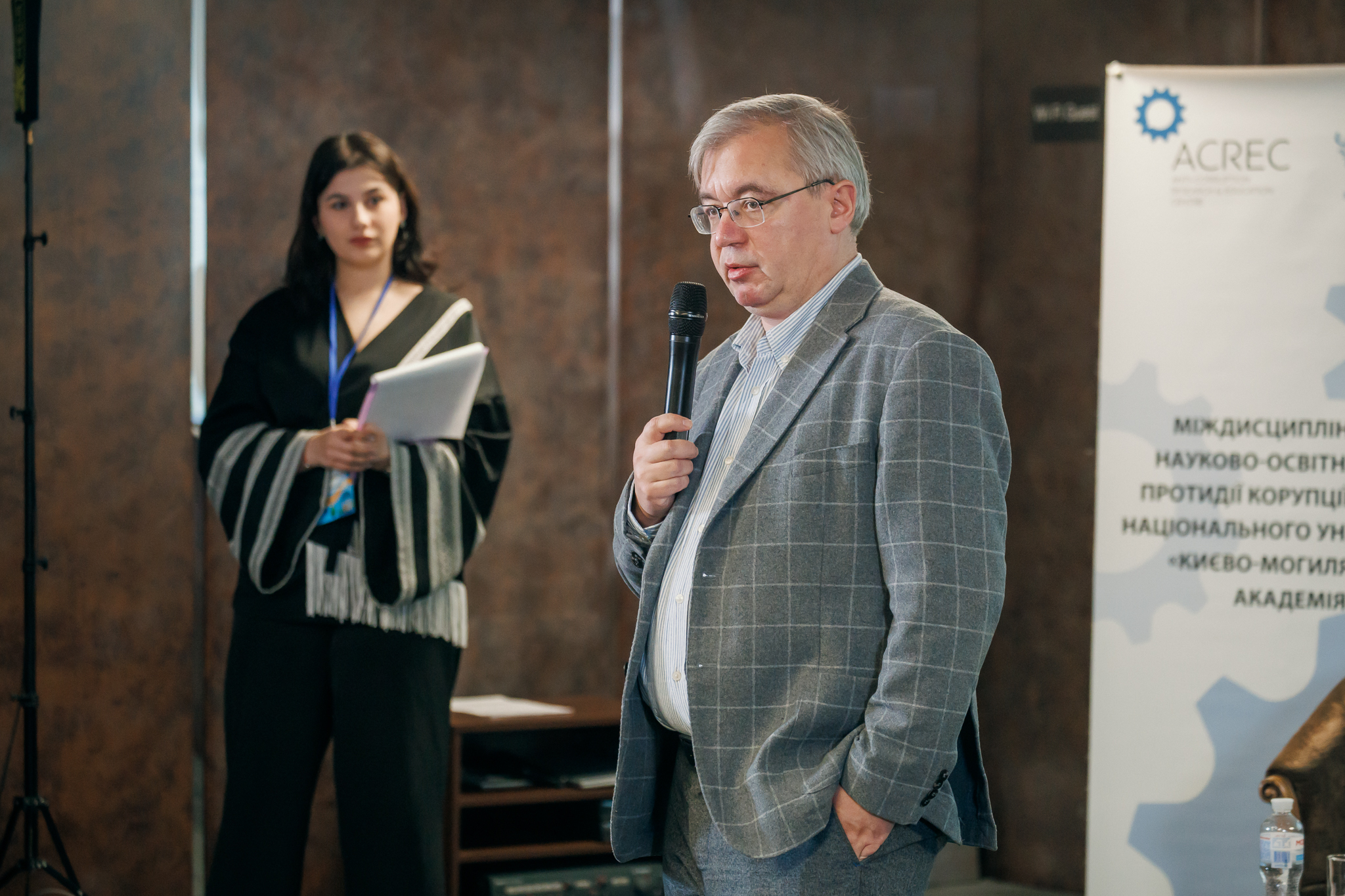
On November 27, 2024, a presentation of the analytical study “Anti-corruption Benchmarks for Ukraine’s Accession to the EU: Rethinking Target Indicators and Strategic Priorities” was held in Kyiv, organized by the ACREC think tank together with the Ukrainian Center for European Policy with the support of the European Union and the International Renaissance Foundation. We tell you how the event took place and how its implementation was an important part of the work on the study itself.
Research context
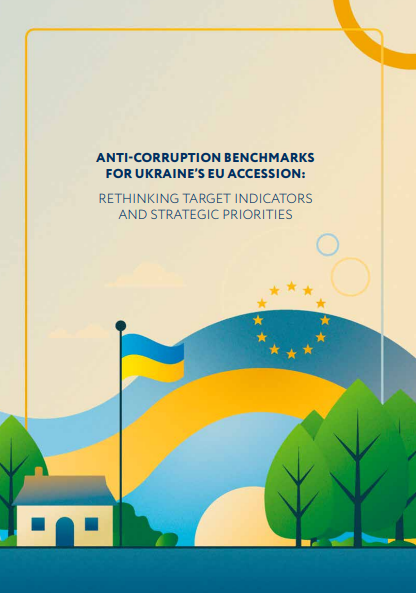
Corruption remains one of the systemic barriers on Ukraine’s path to the European community. The study was aimed at an in-depth analysis of existing problems and the formation of practical recommendations for overcoming them. The purpose of the study was to comprehensively analyze anti-corruption challenges and develop specific measurable indicators that will help Ukraine accelerate the process of European integration.
The anti-corruption sphere is a constant topic of discussion during the negotiations. This determines its importance and relevance in the context of the European integration process. In this regard, it is necessary to develop key indicators (benchmarks) in the field of anti-corruption, which will become the basis for accelerated integration and achievement of EU standards. This is an important step to ensure compliance of Ukrainian legislation in the field of anti-corruption with the requirements and expectations of the European Union, which is of key importance for the successful completion of the country’s European integration process.
Andriy Biletsky, Administrative Director of ACREC, Lyubov Akulenko, Executive Director of the NGO “Ukrainian Center for European Policy” and Oleksandra Bulana, Candidate of Economic Sciences, analyst of the NGO “Ukrainian Center for European Policy” conducted a detailed analysis of reports of international, European and national organizations that monitor anti-corruption reforms in Ukraine. The researchers paid special attention to studying the experience of the Western Balkan countries in the process of European integration.
Statistical data of the study:
- 72% of Ukrainians surveyed recognize corruption as a systemic problem of national scale
- Annual economic losses from corruption can reach up to 10% of gross domestic product
- Only 15% of anti-corruption cases end in a court verdict
How went the presentation event?
The presentation was attended by representatives and experts from leading anti-corruption institutions and international organizations: the International Renaissance Foundation, the Anti-Corruption Center, the CHESNO Movement, the Anti-Corruption Headquarters, GIZ Ukraine, the Center for Political and Legal Reforms, the Ukrainian Youth Foundation.
The event was interactive and invited guests to critically analyze the results of the study and make constructive suggestions for improving the document. The main goal of the event was to receive feedback from the expert community. Thanks to further discussion, the study “Anti-Corruption Benchmarks for Ukraine’s Accession to the EU” will be supplemented in subsequent editions and can become a guiding document for state institutions implementing anti-corruption policy in Ukraine.
Key results of the study:
1. Institutional progress. Ukraine demonstrates consistent progress in implementing European standards, despite difficult foreign policy circumstances. Progress in the area of legislative and institutional reforms is particularly important.
2. Anti-corruption vector. The anti-corruption sphere remains decisive in the negotiation process, especially in the context of chapters 23 and 24 of the European Union acquis. The study proposed a comprehensive approach to assessing progress in this area.
3. Strategic recommendations. The study formulated a clear set of benchmarks aimed at:
– Improving anti-corruption legislation
– Strengthening the institutional capacity of anti-corruption bodies
– Implementing European transparency standards
– Creating a culture of intolerance to corrupt practices
The presentation confirmed that the EU candidate status received by Ukraine is an important recognition of the country’s progress. The start of the legislative screening process creates clear guidelines for further systemic reforms. The research team plans to present the full version of the report to the relevant committees of the Verkhovna Rada, representatives of the Office of the President, and Ukraine’s international partners.
The full text of the study is available for viewing and downloading: https://acrec.org.ua/wp-content/uploads/2024/12/marker-research-NN-eng.pdf
A recording of the event is available on the ACREC YouTube channel: https://www.youtube.com/watch?v=GKdoYIyLupM
The event was held within the framework of the “European Renaissance of Ukraine” initiative with the support of the European Union and the International Renaissance Foundation.